TreeRemovalHub Magazine

Expert insights, cost guides, and essential tree care advice for Canadian homeowners

Emergency tree removal storm damage
Safety First

When Every Minute Counts: Emergency Tree Removal in Canadian Cities

Learn how to identify true tree emergencies, handle power line risks, and navigate insurance claims in Halifax, Toronto, and Vancouver.

Dec 2024 Read Guide →
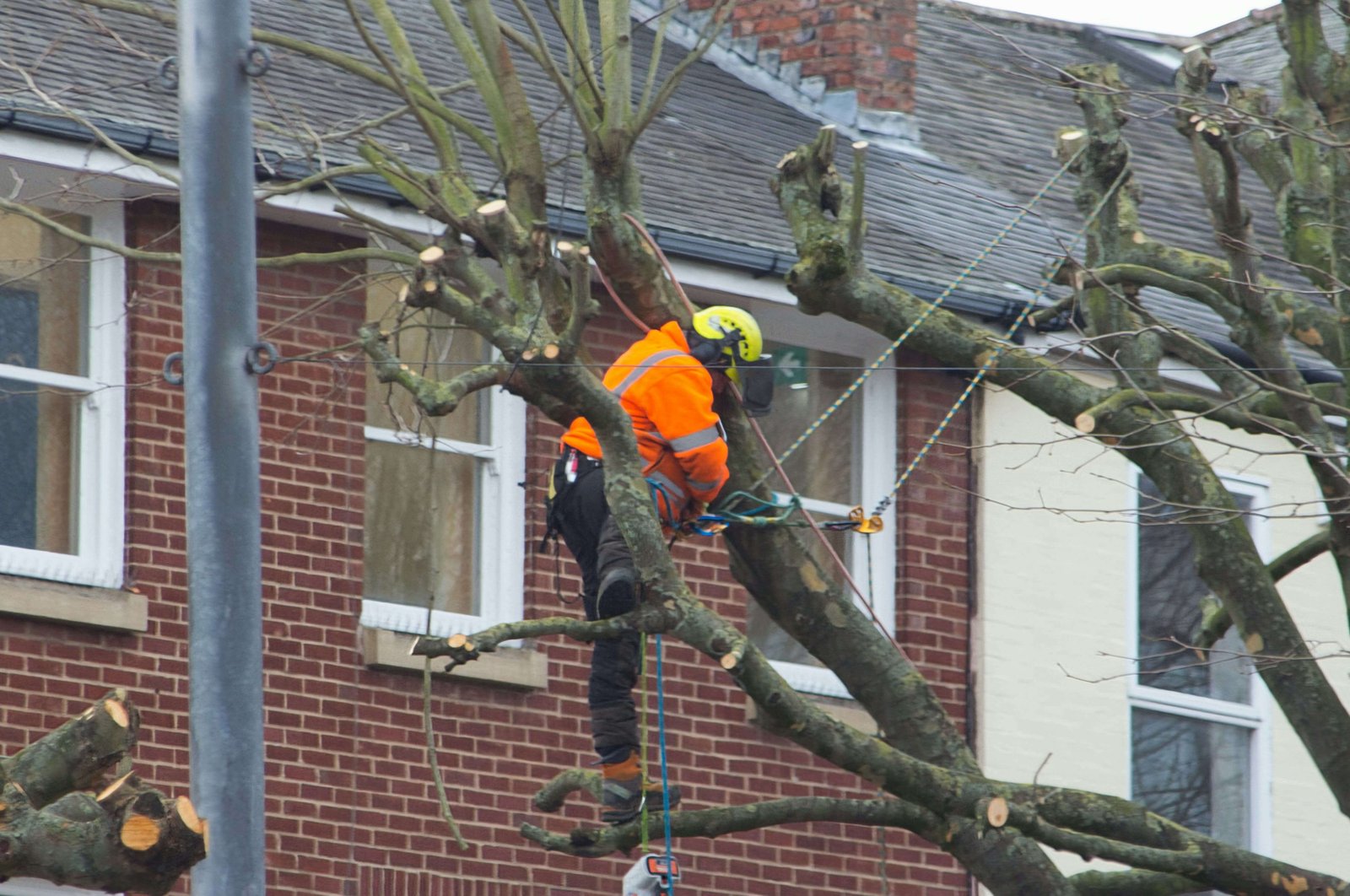
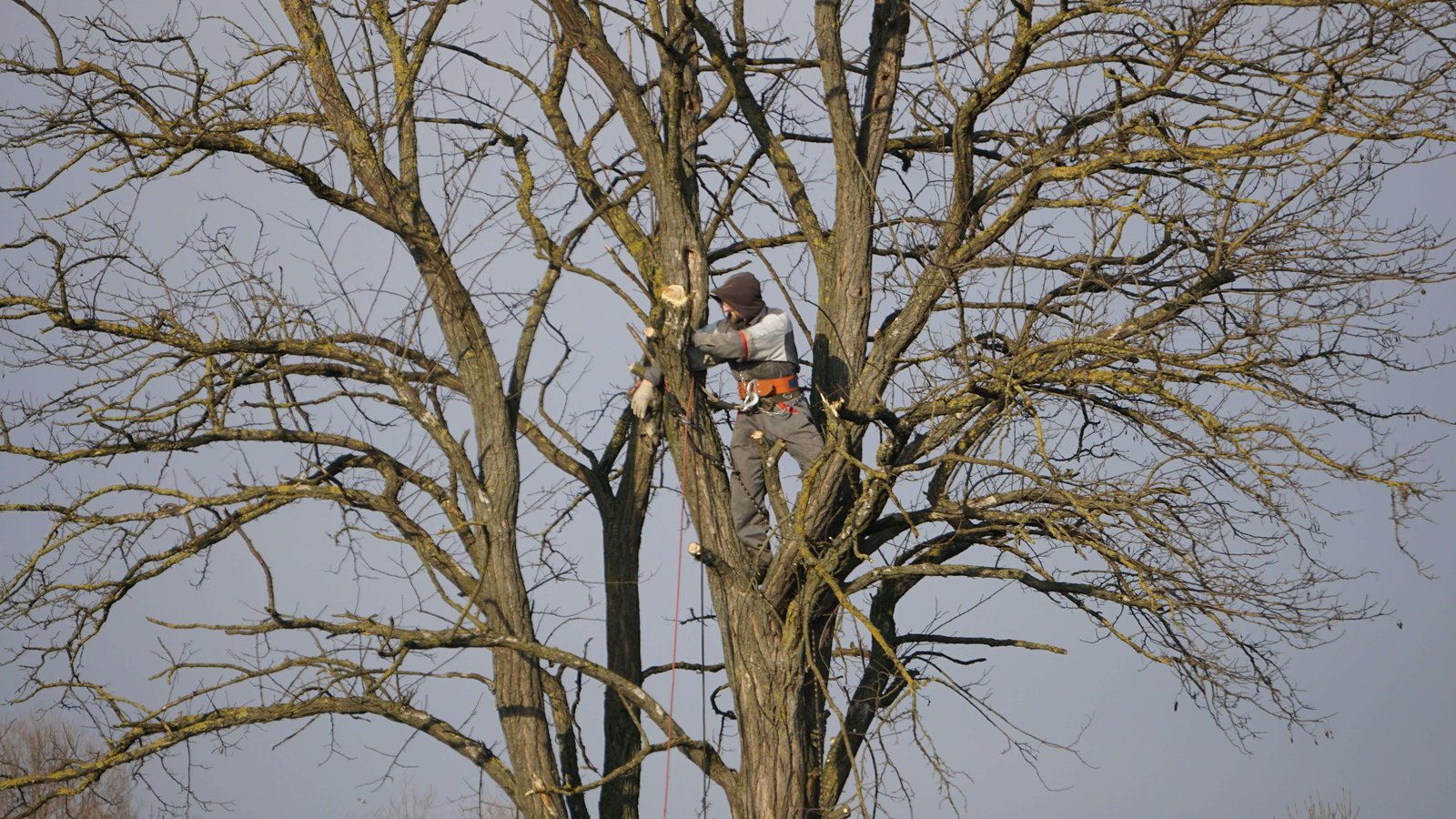
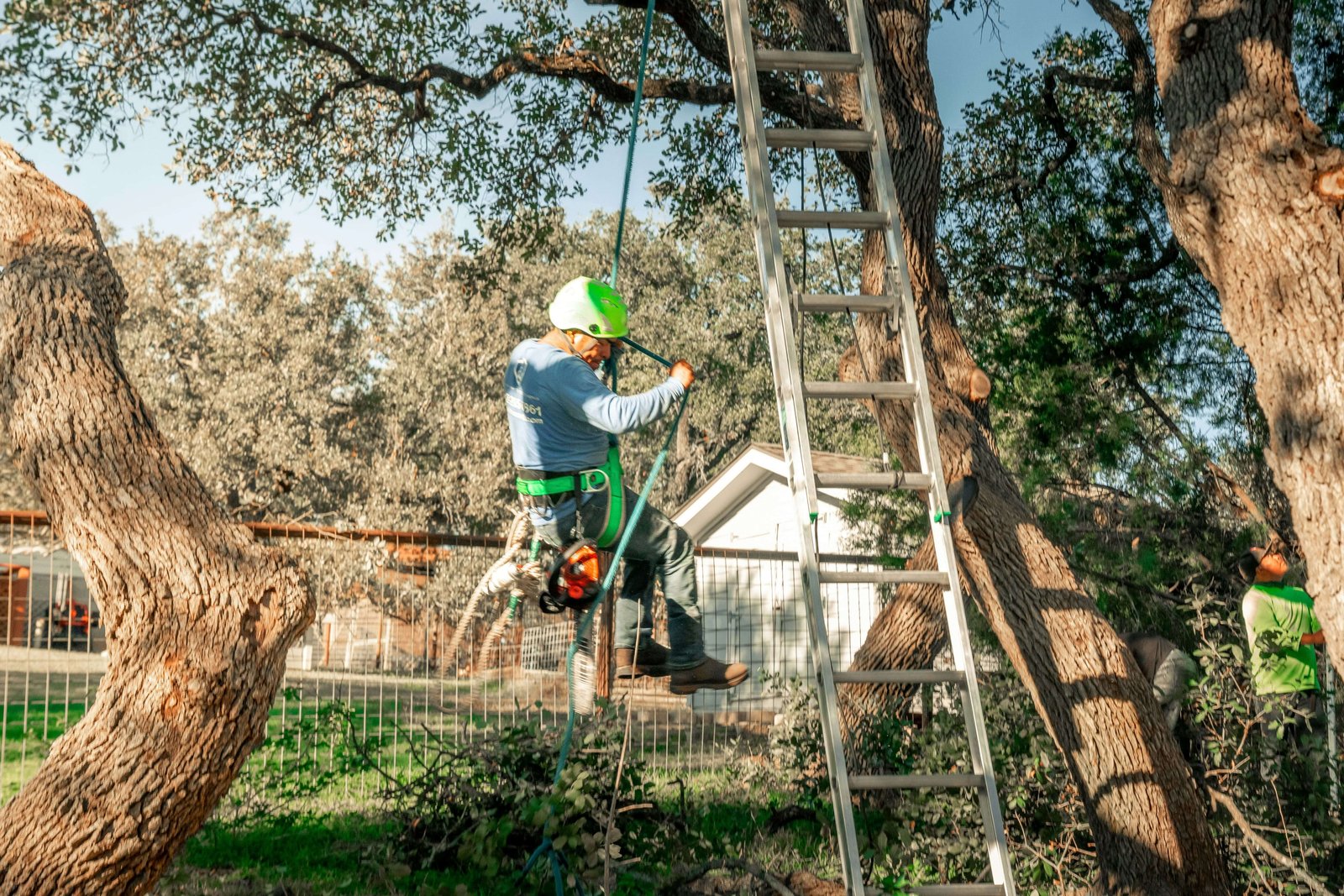
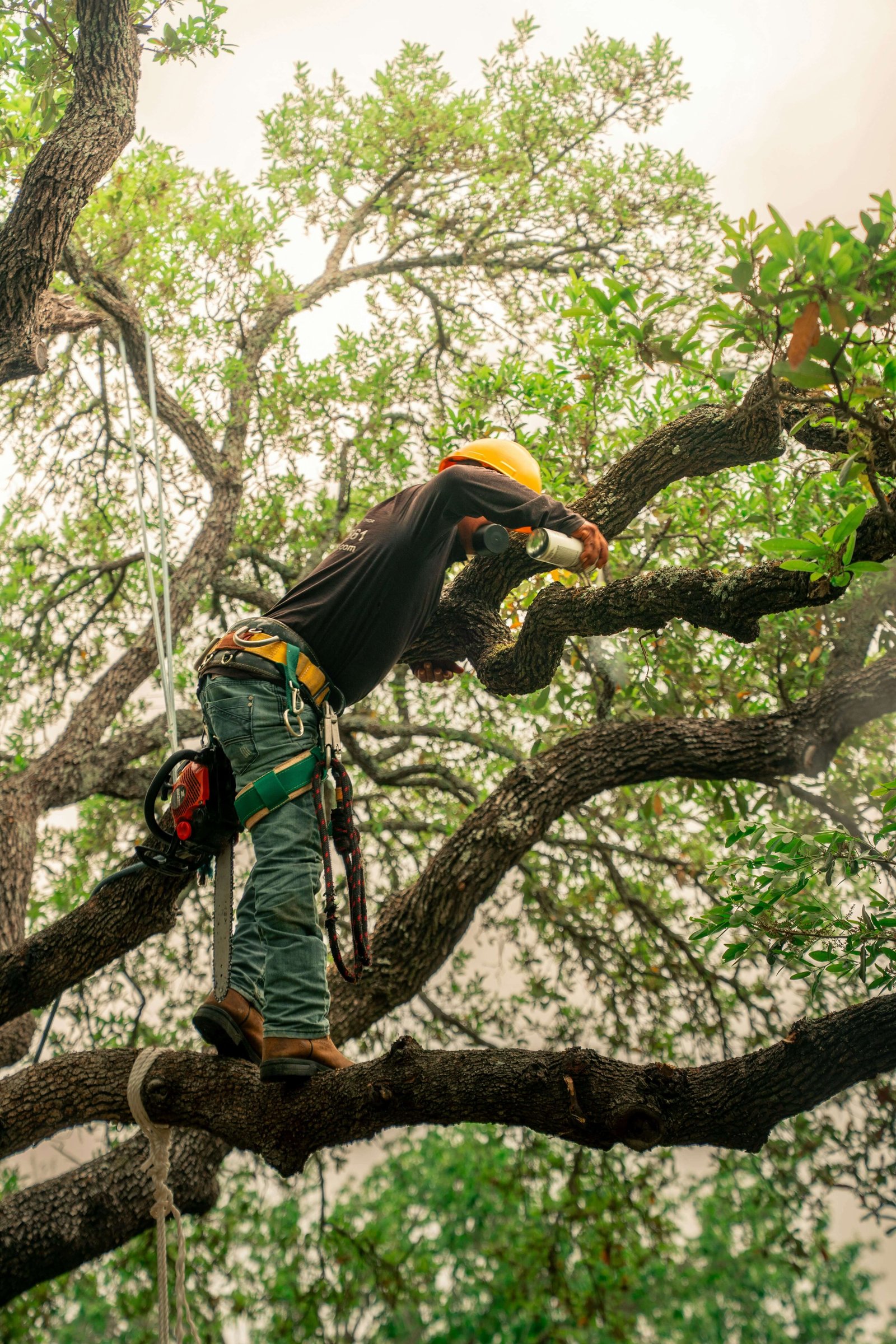
Professional arborist climbing tree
Homeowner Guide

Skip the Wait: How to Find Reliable Tree Service Providers Fast

A step-by-step checklist for vetting arborists. Ensure they are insured, certified, and local to avoid scams and poor workmanship.

Dec 2024 Read Guide →
Cut firewood stack cost calculation
Pricing

The True Cost of Tree Removal in Canada: 2026 Price Guide

From small pruning jobs ($300) to massive removals ($3,000+). Understand the factors that influence price: height, access, and complexity.

Jan 2026 Read Guide →
Chainsaw safety gear
Safety Alert

DIY vs. Professional: The Safety Reality Check

Thinking of renting a chainsaw? Read this first. We analyze the risks, equipment costs, and insurance gaps of DIY tree work.

Jan 2026 Read Guide →
Urban tree canopy city street
Legal & Permits

Tree Protection Bylaws: Rules for Major Canadian Cities

Don't get fined. Permit requirements for private trees in Toronto, Vancouver, Halifax, and Winnipeg explained simply.

Jan 2026 Read Guide →
Tree bark texture
Tree Health

Canadian Tree Diseases: A Visual Identification Guide

Is your tree sick? Learn to spot Emerald Ash Borer, Tar Spot, Black Knot, and Dutch Elm Disease before it's too late.

Jan 2026 Read Guide →
Beautiful backyard garden
Property Value

Landscaping for Value: Trees That Boost Property ROI

Strategically planted trees can increase property value by up to 15%. Discover the best species for Canadian curb appeal and energy savings.

Jan 2026 Read Guide →
Storm debris and fallen branches
Disaster Prep

After the Storm: A Homeowner's Recovery Checklist

A step-by-step guide to assessing damage, documenting for insurance, and hiring help safely after major weather events.

Jan 2026 Read Guide →
Winter tree care heavy snow
Maintenance

Year-Round Tree Care: A Canadian Homeowner's Calendar

From spring pruning to winter protection. A complete schedule to keep your maples, oaks, and pines healthy through all four seasons.

Nov 2024 Read Guide →
Digital marketing analytics for arborists
Business Growth

Growing Your Tree Service Business: The Power of Local SEO

Why digital presence matters for arborists in 2026. Learn how local directory listings drive high-intent leads better than social media.

Nov 2024 Read Guide →
Safety First

When Every Minute Counts: Emergency Tree Removal in Canadian Cities

Extreme weather events are increasing across Canada. From post-tropical storms like Fiona devastating Halifax to ice storms paralyzing Toronto and "atmospheric rivers" soaking Vancouver, trees are often the first casualty. Understanding how to handle a tree emergency before it happens can save your home—and your life.

Recognizing a True Emergency

Not every fallen branch is a 911 call. However, the following situations require immediate professional intervention:

  • Power Line Risks: If a tree touches a power line, it is electrically charged and deadly. Stay back 10 meters and call your utility company immediately.
  • Structural Threats: Trees leaning significantly toward your home, garage, or vehicle.
  • Blocked Access: Trees obstructing driveways or roads, preventing emergency vehicle access.
  • Upheaval: Visible root plate lifting (soil cracking/heaving) at the base of the tree.

🚨 Safety Warning: tension. A fallen tree is under massive mechanical tension ("widow makers"). Cutting a branch can cause the trunk to snap violently. Never attempt to cut a tree under tension yourself.

Insurance and Costs

Emergency removal is expensive due to the risk and equipment required ($500 - $3,000+). Most standard homeowner insurance policies cover tree removal if it has damaged a covered structure (like your roof). If it falls on the lawn without hitting anything, removal cost is usually yours to bear.

Pricing Guide 2026

The True Cost of Tree Removal in Canada: 2026 Price Guide

One of the most common questions homeowners ask is: "How much will this cost?" While every tree is unique, understanding the pricing factors can help you budget and spot unfair quotes.

Average Price Ranges (National Averages)

  • Small Trees (up to 30 ft): $250 – $500
  • Medium Trees (30–60 ft): $500 – $1,200
  • Large Trees (60–80 ft): $1,200 – $3,000
  • Extra Large / Hazardous: $3,000+

Key Cost Factors

1. Height and Diameter

Simply put, more wood equals more work. Taller trees require specialized climbers or cranes, while wider trunks require larger chainsaws and heavier hauling equipment.

2. Location and Accessibility

A tree standing alone in a field is cheaper to remove than one wedged between your house and a power line. If providers can't get a truck close and have to manually haul wood, labor costs rise significantly.

3. Health and Stability

Ironically, a dead or rotting tree can be more expensive than a healthy one because it's too dangerous to climb. Crews may need to use a crane or bucket truck, increasing equipment fees.

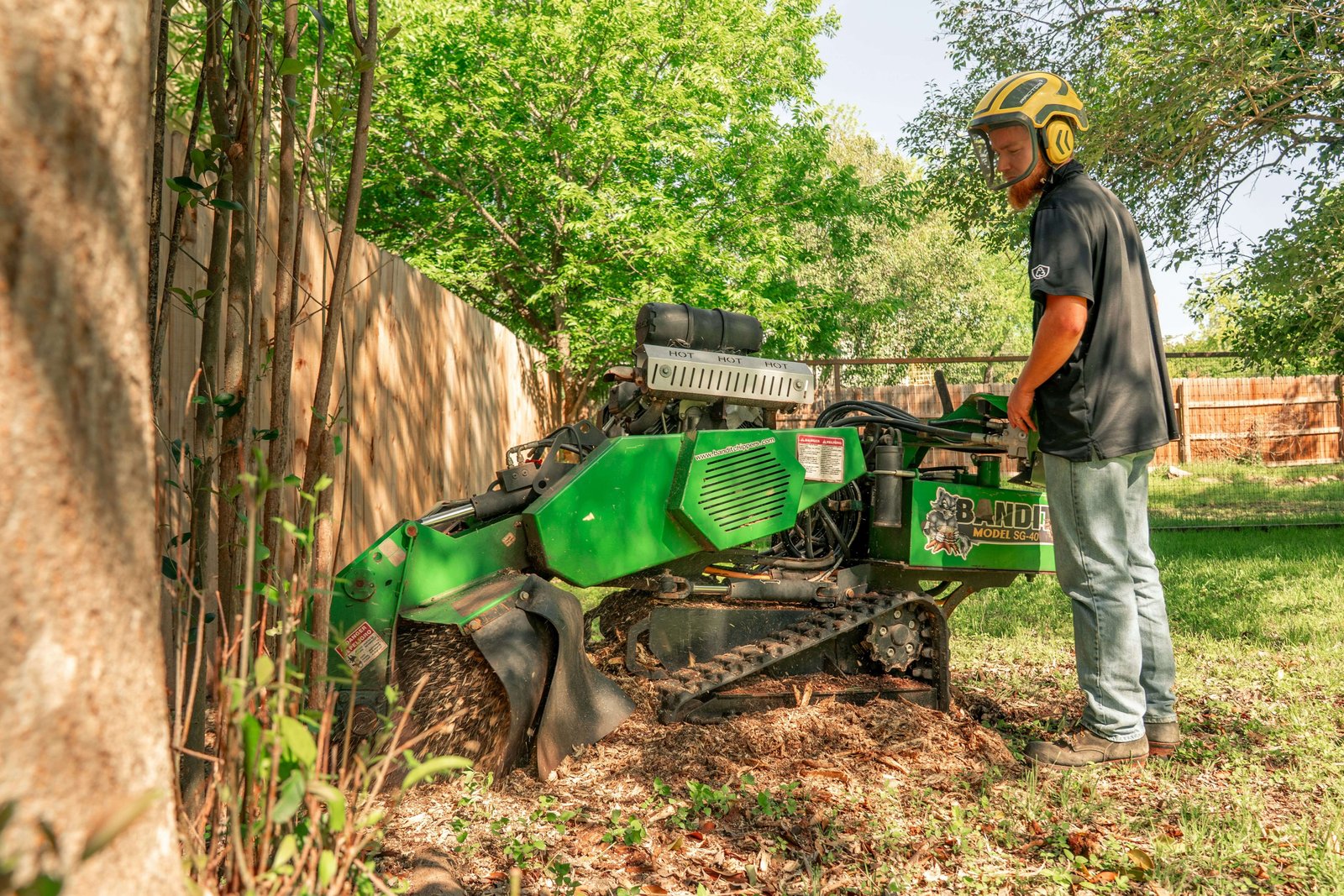
4. Stump Grinding

Removal quotes rarely include the stump. Grinding is an extra service, typically costing $3–$5 per inch of diameter, with a minimum charge of around $150.

💰 Money-Saving Tip: If you have a fireplace or know someone who does, ask the provider to leave the wood for firewood. You save on hauling fees, and they save on disposal dumping fees.

Safety Reality Check

DIY vs. Professional: The Safety Reality Check

It sounds tempting: rent a chainsaw for $100 and save a thousand dollars. But tree work consistently ranks as one of the most dangerous professions in the world—and it's even deadlier for untrained amateurs.

The "Ladder and Chainsaw" Trap

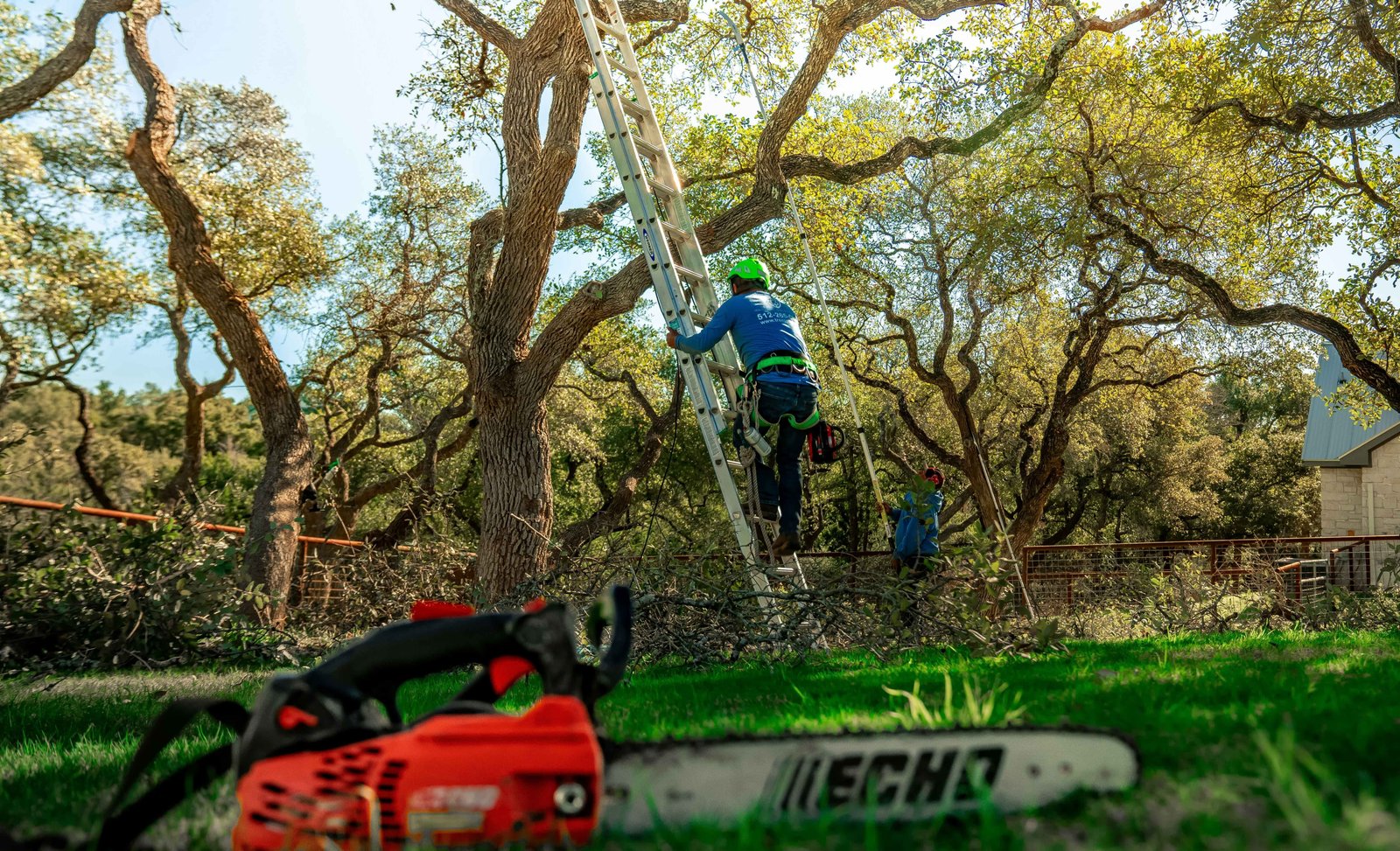
The combination of working at heights (ladders) and using a powerful cutting tool (chainsaw) is a recipe for disaster. Professional arborists rarely use ladders for removal; they use ropes and harnesses to secure themselves to the tree. If a branch swings and knocks a ladder, an amateur falls.

Economics of DIY

Let's do the math on a medium-sized removal:

  • Chainsaw Rental: $100/day
  • Safety Gear (Chaps, Helmet): $150 (purchase)
  • Truck Rental for Hauling: $100 + gas
  • The Dump Fees: $50 - $150
  • Time: Your entire weekend

Total DIY Cost: ~$400–$500 + Risk of injury. A professional might quote $800–$1,000 for the same job, done in 2 hours with zero risk to you.

Insurance Gaps

If a professional drops a tree on your neighbor's fence, their liability insurance pays for it. If you drop a tree on your neighbor's fence, you are personally liable, and your homeowner's insurance may deny the claim if they determine you were acting negligently by attempting work beyond your skill level.

Legal & Permits

Tree Protection Bylaws: Rules for Major Canadian Cities

In many Canadian municipalities, you don't actually "own" the large trees on your property—you are their custodian. Removing them without a permit can result in fines ranging from $500 to over $100,000. Here are the rules for major hubs:

Toronto, ON

The Private Tree By-law serves to protect the urban canopy. You need a permit to remove or injure any tree with a diameter of 30 cm (12 inches) or more, measured at 1.4m above ground. Permits involve fees and often a requirement to plant a replacement tree.

Vancouver, BC

The Protection of Trees By-law is strict. A permit is required for any tree with a diameter of 20 cm (8 inches) or more. Even for dead trees, you must provide an arborist report confirming the condition before removal is authorized.

Halifax, NS

Halifax protects all trees on municipal property (the "right of way," usually the first few feet of your lawn from the curb). Private tree bylaws are less restrictive than Toronto's but depend on your specific neighborhood zoning.

Winnipeg, MB

Winnipeg has a strict Elm Pruning Ban from mid-April to mid-July. This is to prevent the spread of Dutch Elm Disease, as the beetles are active and attracted to fresh prune wounds. Pruning an Elm during this ban is illegal.

📜 Verify First: Always check your current municipal webpage before cutting. Bylaws change, and ignorance of the law does not exempt you from fines.

Tree Health

Canadian Tree Diseases: A Visual Identification Guide

Early detection is the key to saving a sick tree. Here are the most common afflictions threatening Canadian trees in 2026.

Emerald Ash Borer (EAB)

Target: Ash trees (Ontario, Quebec, moving East/West).
Signs: Canopy dieback starting at the top, D-shaped exit holes in the bark, woodpecker activity.
Outcome: Almost 100% fatal without expensive injections. Removal is usually recommended once infestation is advanced.

Tar Spot

Target: Maple trees.
Signs: Large, raised black spots on leaves that look like tar splatters. Usually appears late summer.
Outcome: Mostly cosmetic. It looks ugly but rarely kills the tree. Raking up fallen leaves to reduce spores for next year is the best management.

Black Knot

Target: Cherry and Plum trees (Prunus species).
Signs: Hard, black, crusty swellings on branches that look like "poop on a stick."
Management: Prune out the infected branches at least 15-20 cm below the knot. Sanitize your pruning tools with alcohol between cuts.

Property Value

Landscaping for Value: Trees That Boost Property ROI

A well-landscaped yard isn't just pretty—it's profitable. Studies show that mature trees can increase residential property value by 3% to 15%. For a $800,000 home, that's a value boost of up to $120,000.

The Curb Appeal Factor

Buyers perceive treed lots as "established," "private," and "high-end." A barren lawn feels unfinished. Large canopy trees like Oaks and Sugar Maples offer the high ROI because they frame the house without obscuring it.

Energy Savings

Money grows on trees in the form of utility savings:

  • Summer: Deciduous trees planted on the South and West sides shade your home, reducing air conditioning costs by up to 30%.
  • Winter: Coniferous trees (Spruce, Pine) planted on the North and West sides act as windbreaks, reducing heating costs.

Best Species for Canadian ROI

  • Red Maple: Fast-growing, stunning fall color.
  • Serviceberry: Native, small size (good for tight city lots), beautiful flowers.
  • Blue Spruce: sturdy, low maintenance, year-round color.
Crisis Management

After the Storm: A Homeowner's Recovery Checklist

The wind has stopped, and a tree is down in your yard. The steps you take in the first 24 hours determine how fast your life gets back to normal.

Step 1: Immediate Safety Check

Look up—are there hanging branches ("widow makers") left in the canopy? Look down—are there downed power lines? If yes to either, evacuate the immediate area.

Step 2: Document Everything

Before you move a single twig, take photos. Wide shots of the whole scene and close-ups of the damage to structures. Your insurance adjuster needs proof that the tree caused the damage, not a pre-existing condition.

Step 3: Mitigate Further Damage

If the tree punctured your roof, water damage is now your enemy. If safe to do so, tarp the hole. Insurance requires you to take "reasonable steps" to prevent worsening damage.

Step 4: Hire Verified Pros

Storms bring out "storm chasers"—unlicensed opportunists with chainsaws who go door-to-door demanding cash upfront. Never pay upfront. Use verifiable local services like those on TreeRemovalHub to ensure you're hiring insured professionals.

Homeowner Guide

Finding Reliable Providers: The Checklist

Finding a reliable tree service is critical. Here is your quick vetting checklist:

  1. Insurance: Ask for a Certificate of Insurance. Call the broker to verify it's active.
  2. WSIB/WorkSafe: Ensure their staff is covered. If not, YOU could be liable for injuries.
  3. Written Quote: Never accept a verbal estimate. Get a detailed scope of work (stump included? wood removed?).
  4. No Topping: If they suggest "topping" your tree (cutting the top off flat), fire them. It ruins current tree health.
Get Listed Find Provider